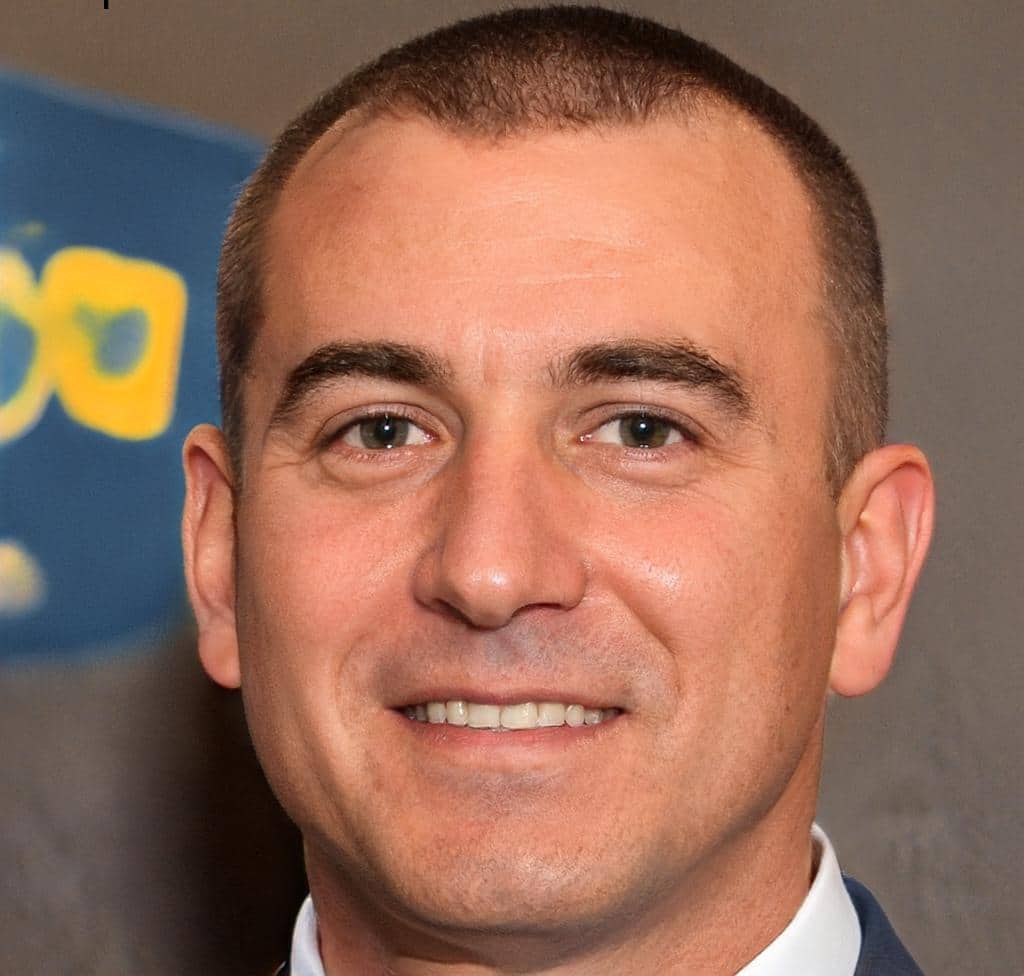
Matt Bowyer Early Release: Ippei Mizuhara’s Bookie Walks Free
Matt Bowyer, the Orange County illegal bookmaker who counted Ippei Mizuhara, former interpreter for Shohei Ohtani, among his 700-plus clients, walked out of federal custody after serving fewer than five months of a sentence that could have reached 18 years. US Bureau of Prisons filings confirm his transfer to a halfway house in San Pedro, California. The case exposed one of the most high-profile illegal sports gambling networks in recent American sports history.
Matt Bowyer Freed After Less Than 5 Months of an 18-Year Sentence
The Early Release That Surprised Federal Observers
Federal inmate records show Bowyer left custody on Monday and relocated to a residential reentry facility, commonly called a halfway house, in San Pedro, California, a coastal neighborhood within Los Angeles. His release came after serving less than five months, a fraction of the 18-year maximum he faced at sentencing. The speed of his release drew immediate attention from legal observers and sports gambling analysts tracking the broader fallout of the Ohtani-Mizuhara scandal.
Bowyer had pleaded guilty to three federal counts: operating an unlawful gambling business, money laundering, and subscribing to a false tax return. Each count carries significant prison exposure under federal sentencing guidelines, making the actual time served strikingly short by comparison. Federal prosecutors in the Central District of California handled the case, which was part of a wider investigation into offshore and domestic illegal bookmaking operations.
The leniency of the sentence reflects a pattern federal courts sometimes apply to cooperative defendants who provide substantial assistance to investigators. Whether Bowyer provided such assistance has not been publicly confirmed, but his early exit from custody raises that question directly. His case intersects with at least one other active federal prosecution, that of Ippei Mizuhara, whose own guilty plea in 2024 cited Bowyer’s operation as the gambling platform at the center of the fraud.
Who Is Matt Bowyer and Why Did Athletes Use Him
Bowyer operated out of Orange County, California, and built a clientele that reportedly included professional athletes, entertainers, and high-net-worth individuals across Southern California. His operation ran for at least five years, according to federal charging documents, and processed bets through Costa Rica-based websites, a common structure for offshore illegal bookmaking that obscures financial trails and complicates US jurisdiction. More than 700 bettors used his network during the period covered by the indictment.
The Costa Rica routing was not accidental. Offshore booking platforms based in jurisdictions with limited US extradition cooperation have historically served as the technical backbone for domestic illegal bookmaking rings. Bowyer’s operation used these platforms to accept wagers, settle accounts, and move money in ways that bypassed US banking reporting requirements, which formed the basis of the money laundering charges.
The “Bookie to the Athletes” label, which circulated widely in sports media after his indictment, reflected the unusual social profile of his client base. Most illegal bookmakers operate in relative obscurity. Bowyer’s connections to professional sports figures, particularly through Mizuhara, pulled his case into the national spotlight in a way that few gambling prosecutions achieve. That visibility made his early release all the more notable.
Ippei Mizuhara’s Guilty Plea and the Shohei Ohtani Connection
How Mizuhara’s Gambling Debt Unraveled a Major League Scandal
Ippei Mizuhara served as the personal interpreter and close confidant of Shohei Ohtani, the Los Angeles Dodgers pitcher and two-way superstar who signed a record 10-year, $700 million contract with the Dodgers in December 2023. In early 2024, Mizuhara pleaded guilty to bank fraud after investigators determined he had stolen approximately $17 million from Ohtani’s bank accounts to cover gambling debts owed to Bowyer’s operation. The case became one of the most widely covered sports scandals of the year.
Federal prosecutors established that Mizuhara transferred funds from Ohtani’s account at Mizuho Bank to settle losses accumulated through Bowyer’s Costa Rica-based betting platforms. Ohtani was cleared of any wrongdoing by investigators, who concluded he had no knowledge of the transfers. Mizuhara faced federal bank fraud charges in the Central District of California, separate from but directly linked to the Bowyer prosecution.
Mizuhara’s case illustrated the downstream consequences of illegal bookmaking operations: a client unable to cover losses resorts to fraud, and the resulting investigation exposes the entire network. The Bowyer-Mizuhara connection transformed what might have been a routine illegal gambling prosecution into a case with national sports media coverage and congressional interest in sports betting regulation. Bowyer’s early release now adds another chapter to a story that many assumed had reached its conclusion.
Broader Impact on MLB’s Gambling Policy Debate
Major League Baseball launched its own internal investigation following the Mizuhara revelations in March 2024. Commissioner Rob Manfred publicly stated that MLB investigators found no evidence Ohtani bet on baseball or had knowledge of the fraud. The league’s gambling integrity office, which has operated with increased resources since the Supreme Court’s 2018 Murphy v. NCAA decision opened the door to legal sports betting nationwide, reviewed communications and financial records tied to the case.
The episode reignited debate about whether professional sports leagues do enough to monitor the gambling activities of players, staff, and associates. At least three members of Congress cited the Mizuhara case in 2024 hearings on federal sports betting legislation, according to Congressional Record transcripts. Bowyer’s early release is unlikely to quiet those discussions.
Inside the Illegal Bookmaking Business: Scale, Structure, and Sentencing
| Detail | Matt Bowyer Case | Typical Federal Illegal Gambling Case |
|---|---|---|
| Number of bettors | 700+ | 50-200 |
| Operation duration | At least 5 years | 1-3 years |
| Platform structure | Costa Rica-based offshore sites | Domestic or offshore |
| Maximum sentence exposure | 18 years | 5-10 years |
| Time actually served | Less than 5 months | 12-36 months |
Federal law criminalizes gambling businesses that operate in violation of state law, involve five or more persons, and remain in operation for more than 30 days or generate more than $2,000 in gross revenue on any single day, under 18 U.S.C. § 1955. Bowyer’s operation exceeded those thresholds by a wide margin, with 700-plus bettors and a multi-year run. The money laundering charge under 18 U.S.C. § 1956 added significant sentencing weight because it requires prosecutors to prove the defendant knowingly moved proceeds of specified unlawful activity through financial transactions designed to conceal their origin.
The false tax return charge, a violation of 26 U.S.C. § 7206(1), is a standard addition in illegal gambling prosecutions where defendants fail to report gambling income. Each of these three charges carries its own statutory maximum, and federal sentencing guidelines stack them in ways that can produce very long recommended sentences. The gap between Bowyer’s 18-year exposure and his actual time served is one of the largest disparities in a recent high-profile gambling case.
Costa Rica has served as a hub for offshore bookmaking operations targeting US bettors for more than two decades. The country does not prohibit online gambling businesses from operating within its borders and serving foreign customers, and US-Costa Rica extradition arrangements have historically been limited in scope for financial crimes. The Wire Act of 1961 and the Unlawful Internet Gambling Enforcement Act of 2006 both apply to US-based operators and bettors, but enforcement against offshore platforms requires international cooperation that is not always forthcoming [1].
What the Bowyer Case Reveals About Privacy and Illegal Gambling Risk
The Bowyer prosecution is a textbook example of how illegal, unregulated gambling operations expose bettors to risks that go far beyond losing a wager. Mizuhara’s $17 million fraud was a direct consequence of operating within an unregulated system where debts are enforced outside legal channels and bettors have no formal dispute resolution or spending controls. When losses spiral, the pressure to cover them can push individuals toward criminal behavior that destroys careers and finances.
For readers interested in anonymous gambling, the Bowyer case underscores a critical distinction: there is a meaningful legal and practical difference between using a licensed, privacy-respecting platform that operates under a legitimate regulatory framework and participating in an illegal offshore bookmaking ring. No-KYC casinos that hold valid gaming licenses, operate transparently, and use blockchain-based payment systems offer privacy without the criminal exposure that comes with illegal operations like Bowyer’s. The 700-plus bettors in his network had no legal protection, no recourse if cheated, and no anonymity once federal investigators subpoenaed his records.
Key Takeaways
- Matt Bowyer was released from federal prison on Monday after serving fewer than 5 months of a potential 18-year sentence, according to US Bureau of Prisons filings.
- He was transferred to a halfway house in San Pedro, California, not released unconditionally.
- Bowyer pleaded guilty to three federal counts: operating an unlawful gambling business, money laundering, and subscribing to a false tax return.
- His bookmaking operation ran for at least 5 years, served more than 700 bettors, and used Costa Rica-based offshore websites to process wagers.
- Ippei Mizuhara, Shohei Ohtani’s former interpreter, pleaded guilty to bank fraud after stealing approximately $17 million from Ohtani’s accounts to pay debts to Bowyer’s operation.
- Ohtani, who signed a 10-year, $700 million contract with the Los Angeles Dodgers in December 2023, was cleared of any involvement by federal investigators.
- The case has been cited in at least three Congressional hearings on federal sports betting legislation during 2024.
Frequently Asked Questions
How much time did Matt Bowyer actually serve in prison?
Matt Bowyer served fewer than five months in federal prison before his early release on Monday. He faced a maximum sentence of 18 years across his three guilty plea counts: operating an unlawful gambling business, money laundering, and filing a false tax return. He was transferred to a halfway house in San Pedro, California, rather than released outright [1].
What is the connection between Matt Bowyer and Shohei Ohtani?
Matt Bowyer ran the illegal bookmaking operation that Ippei Mizuhara, Shohei Ohtani’s personal interpreter, used to place bets. Mizuhara accumulated large gambling debts with Bowyer’s network and stole approximately $17 million from Ohtani’s bank accounts to cover those losses. Ohtani was cleared of any wrongdoing by federal investigators, who confirmed he had no knowledge of the transfers.
Was Ippei Mizuhara convicted for his role in the Matt Bowyer gambling case?
Ippei Mizuhara pleaded guilty to federal bank fraud charges in 2024 in the Central District of California. His fraud was directly tied to gambling debts owed to Bowyer’s illegal bookmaking operation. Mizuhara’s case was prosecuted separately from Bowyer’s but arose from the same underlying illegal gambling network.
How did Matt Bowyer’s illegal gambling operation work?
Bowyer operated out of Orange County, California, and used Costa Rica-based websites to accept bets and process payments, a structure designed to complicate US law enforcement jurisdiction. His operation ran for at least five years and served more than 700 bettors, including professional athletes and high-profile clients. He was charged under 18 U.S.C. § 1955, the federal statute prohibiting unlawful gambling businesses [1].
The Bottom Line
Matt Bowyer’s early release closes the custodial chapter of one of the most consequential illegal gambling prosecutions in recent American sports history, but it does not close the broader story. Ippei Mizuhara still faces sentencing consequences. Congressional debate over federal sports betting regulation continues. And the structural vulnerabilities that allowed a 700-person illegal bookmaking network to operate for five years in plain sight of professional sports organizations remain unaddressed.
The case also serves as a durable reference point for anyone evaluating the real costs of illegal gambling. Bowyer’s clients had no consumer protections, no regulatory oversight, and no privacy once investigators arrived. The $17 million fraud that destroyed Mizuhara’s career was not an anomaly. It was the predictable outcome of a system built on unenforceable debts and zero accountability. Legal, regulated alternatives exist precisely to prevent that chain of events.
Bowyer may be out of prison, but the legal and reputational wreckage his operation produced will remain part of the public record for years to come.
Follow the Latest on the Bowyer and Mizuhara Gambling Case
18+ | Play Responsibly | T&Cs Apply
Sources
- Gambling911.com – Primary reporting on Matt Bowyer’s early release from federal prison, US Bureau of Prisons transfer to San Pedro halfway house, and case background including Ippei Mizuhara connection.