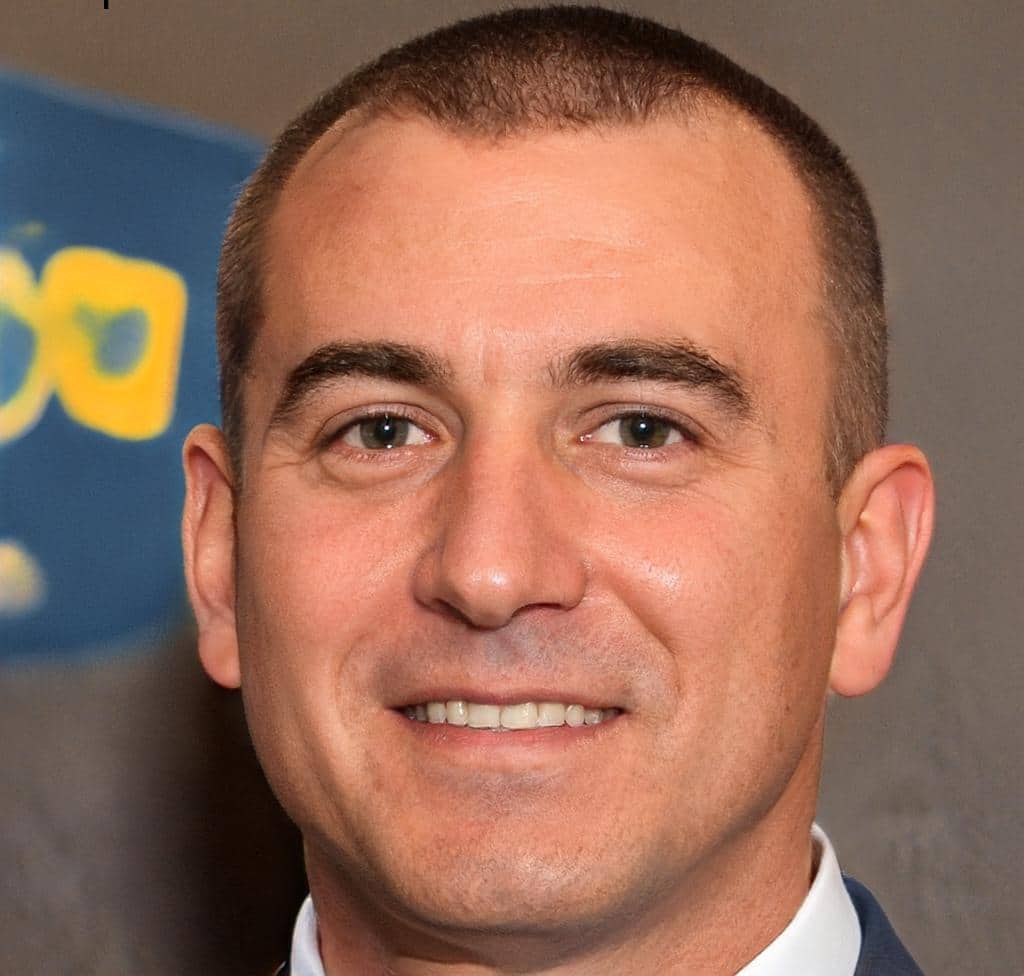
Round Rock Texas Card Room Raided: Todd Witteles Affidavit Details
A Texas card room co-owned by high-profile poker player and YouTube personality Doug Polk was raided by law enforcement in Round Rock, Texas, with poker fraud watchdog Todd Witteles obtaining and publishing key details from the official affidavit. The raid placed Polk’s gambling business under a legal spotlight at the same moment he announced becoming a father, drawing intense attention from the poker community and gambling industry observers nationwide.
Round Rock Card Room Raid: What Todd Witteles Found in the Affidavit
How Witteles Obtained and Published the Affidavit Details
Todd Witteles, the founder of PokerFraudAlert and one of the most recognized names in poker integrity investigations, obtained the affidavit connected to the law enforcement raid on the Round Rock, Texas card room. Witteles has built a reputation over more than a decade for exposing fraud, collusion, and legal violations within the poker industry, making his analysis of the document particularly significant to the community. His publication of the affidavit details gave the public its first structured look at exactly what authorities alleged and what legal framework justified the raid.
The affidavit, a sworn written statement submitted to support the warrant authorizing the raid, laid out the probable cause law enforcement used to enter and search the premises. In Texas, card rooms operate in a legal gray zone, and affidavits in such cases typically detail alleged violations of state gambling statutes, including whether the house was profiting from the games directly. The specific contents Witteles highlighted pointed to the operational structure of the card room as central to the legal complaint against it.
Witteles reported on the story through his established platform, which has previously broken news on major poker scandals including the Postle cheating allegations in 2019. His decision to cover this raid signaled that the Round Rock situation carried weight beyond a routine local law enforcement action, particularly given the involvement of a co-owner with Polk’s national profile. The poker community responded immediately, with discussion spreading across forums, social media, and poker news outlets within hours of his report going live [1].
What Texas Law Says About Card Room Operations
Texas does not license commercial card rooms the way Nevada or New Jersey do. Under the Texas Penal Code, specifically Chapter 47, keeping a gambling place is a Class A misdemeanor, while promoting gambling can escalate to a state jail felony depending on the circumstances. Card rooms in Texas have attempted to operate legally by charging players time fees or seat rentals rather than taking a rake directly from pots, a distinction that courts have examined repeatedly.
The Round Rock card room, like others operating in Texas, relied on this fee-based model to argue it was not profiting from the gambling itself. Whether the affidavit challenged that model directly is a critical detail, because it would determine whether operators face misdemeanor or felony exposure. Texas has seen a wave of card room raids in recent years, with authorities in Harris County, Travis County, and surrounding areas increasing enforcement pressure since 2022.
Doug Polk as Co-Owner: Profile, Stakes, and a New Baby
Polk’s Investment in Texas Poker Infrastructure
Doug Polk is one of the most recognizable figures in modern poker. He won three World Series of Poker bracelets, defeated Daniel Negreanu in a high-stakes heads-up challenge that ran from November 2020 through February 2021, and built a YouTube channel with over 400,000 subscribers covering poker strategy and industry news. His decision to invest in a Texas card room reflected a broader bet that the state’s card room industry, despite its legal ambiguity, represented a significant commercial opportunity.
Polk’s co-ownership of the Round Rock venue put his name and reputation directly in the frame when the raid occurred. Unlike a silent investor, Polk had been publicly associated with the Texas poker scene, giving the story a national audience that a typical local card room raid would never attract. His public profile meant that every development in the legal case would receive scrutiny far beyond what the Round Rock card room would otherwise generate.
The timing of the raid becoming public news coincided almost exactly with Polk announcing the birth of his child, a personal milestone he shared with his social media following. The contrast between a law enforcement action targeting his business and a joyful family announcement created an unusual dual narrative that dominated poker media coverage for several days in 2024 [1].
Community Reaction and Industry Implications for Card Room Investors
The poker community’s reaction split along predictable lines. Supporters of Polk emphasized that operating a card room in Texas involves genuine legal risk that operators accept knowingly, and that the fee-based model has survived legal challenges before. Critics pointed to the raid as evidence that high-profile names do not insulate businesses from enforcement, and that the Texas card room model remains legally fragile regardless of who owns the venue.
For other investors and operators in the Texas card room space, the Round Rock raid sent a clear signal. At least 30 card rooms were estimated to be operating across Texas as of 2023, according to industry observers, and several had already faced raids or legal challenges in the preceding 24 months. The involvement of a nationally known poker personality in one of those raids elevated the visibility of the entire enforcement trend.
Texas Card Room Raids: Legal Timeline and Industry Context Since 2022
| Year | Notable Texas Card Room Action | Legal Outcome or Status |
|---|---|---|
| 2022 | Multiple Harris County raids targeting Houston-area venues | Several operators charged; cases ongoing |
| 2023 | Texas Attorney General issues guidance on fee-based models | Legal ambiguity persists; no definitive ruling |
| 2024 | Round Rock card room raided; Doug Polk named as co-owner | Affidavit details published by Todd Witteles |
Texas has never passed legislation explicitly legalizing commercial card rooms, leaving operators to rely on legal opinions and the fee-based model as their primary defense. The Texas Poker Room Association and similar advocacy groups have lobbied the state legislature repeatedly, but no bill has cleared both chambers and reached the governor’s desk as of 2024. This legislative vacuum is precisely what creates the enforcement risk that the Round Rock raid illustrates.
The fee-based model argument centers on a distinction the Texas Penal Code draws between profiting from gambling and charging for a service. Operators charge players an hourly seat fee or a time-based charge, arguing they are renting space rather than operating a gambling enterprise. Courts in Texas have not uniformly accepted this argument, and prosecutors in different counties apply the statute with varying levels of aggression.
Travis County, where Round Rock is located, sits within the Austin metropolitan area, a region that has seen significant population growth and increased regulatory attention across multiple industries since 2020. The county’s law enforcement posture toward card rooms has been a subject of ongoing debate among Texas poker operators, and the Round Rock raid suggests that posture hardened further in 2024 [1].
Why This Story Matters to Players Who Value Privacy at the Table
The Round Rock raid is a concrete reminder that physical card rooms, regardless of how they structure their operations, expose players and operators alike to law enforcement scrutiny. Every player who walks through the door of a venue operating in a legal gray zone accepts a degree of exposure: their presence, their identity, and their financial transactions can all become part of a law enforcement record the moment a raid occurs. For players who prioritize keeping their gambling activity private, that risk is not theoretical.
Online platforms that operate without mandatory identity verification offer a structurally different risk profile. No KYC casino environments allow players to participate without submitting government-issued identification, meaning their gambling activity does not create the kind of documented paper trail that surfaces in affidavits and court records. The Round Rock case, where an affidavit detailed the operational specifics of a physical venue, illustrates exactly the kind of documentation that anonymous online alternatives are designed to avoid.
Key Takeaways
- Todd Witteles, founder of PokerFraudAlert, published details from the affidavit used to authorize the raid on a Round Rock, Texas card room in 2024.
- Doug Polk, a 3-time WSOP bracelet winner with over 400,000 YouTube subscribers, was identified as a co-owner of the raided venue.
- The raid occurred under Texas Penal Code Chapter 47, which makes keeping a gambling place a Class A misdemeanor and promoting gambling potentially a state jail felony.
- At least 30 card rooms were estimated to be operating across Texas as of 2023, all relying on the legally contested fee-based model to avoid prosecution.
- Doug Polk announced the birth of his child within days of the raid details becoming public, creating a sharp contrast between his personal and professional news cycles.
- Travis County, where Round Rock is located, has shown increasing enforcement activity toward card rooms as part of a broader Texas crackdown since 2022.
- No Texas legislation explicitly legalizing commercial card rooms has passed both legislative chambers as of 2024, leaving the legal status of these venues unresolved.
Frequently Asked Questions
What is the Round Rock Texas card room that was raided?
The Round Rock card room is a poker venue located in Round Rock, Texas, co-owned by professional poker player Doug Polk. It operated using a fee-based model common among Texas card rooms, charging players seat fees rather than taking a direct rake. Law enforcement raided the venue in 2024, with the supporting affidavit later detailed publicly by Todd Witteles of PokerFraudAlert [1].
Who is Todd Witteles and why does his affidavit analysis matter?
Todd Witteles is the founder of PokerFraudAlert, a website dedicated to exposing fraud, cheating, and legal violations in the poker industry. He gained national recognition for his coverage of the Mike Postle cheating scandal in 2019. His analysis of the Round Rock affidavit matters because he has the investigative background and community credibility to contextualize what the legal document means for operators and players [1].
Is Doug Polk facing criminal charges from the Round Rock raid?
As of the reporting available through 2024, the affidavit details were published but specific criminal charges against Doug Polk personally had not been publicly confirmed in the sources covering this story. Raids in Texas card room cases can result in charges against operators, employees, or both, depending on what prosecutors determine from the evidence gathered. Readers should follow ongoing coverage from Gambling911 and PokerFraudAlert for updates [1].
Are Texas card rooms legal in 2024?
Texas card rooms exist in a legal gray area in 2024. They are not explicitly licensed or legalized by state law, and the Texas Penal Code Chapter 47 prohibits keeping a gambling place and promoting gambling. Operators use a fee-based model as a legal defense, but this argument has not been definitively upheld by Texas courts, and enforcement varies by county. The Round Rock raid is one of multiple enforcement actions taken against Texas card rooms since 2022.
The Bottom Line
The Round Rock raid is not an isolated incident. It is the latest data point in a sustained pattern of Texas law enforcement testing the legal limits of the card room industry, and the involvement of Doug Polk gives that pattern a face recognizable to millions of poker fans worldwide. Todd Witteles publishing the affidavit details ensures the poker community has access to the actual legal reasoning behind the action, rather than relying on secondhand accounts or operator spin.
For Doug Polk, the timing could not be more complicated. Announcing fatherhood while simultaneously having a business raided and an affidavit circulated publicly is the kind of week that defines how a public figure’s story gets told. How the legal case develops from here will determine whether this becomes a footnote in his career or a defining chapter.
The broader lesson for anyone connected to the gambling industry is straightforward: operating in legal gray zones carries real consequences, and high-profile names do not provide legal protection. The affidavit exists. The raid happened. What comes next will play out in Texas courts, not on social media.
Read the Full Round Rock Raid Coverage and Affidavit Details
Read the Full Story at Gambling911
18+ | Play Responsibly | T&Cs Apply
Sources
- Gambling911 – Primary reporting on the Round Rock Texas card room raid, Todd Witteles affidavit details, and Doug Polk co-ownership and personal news coverage.