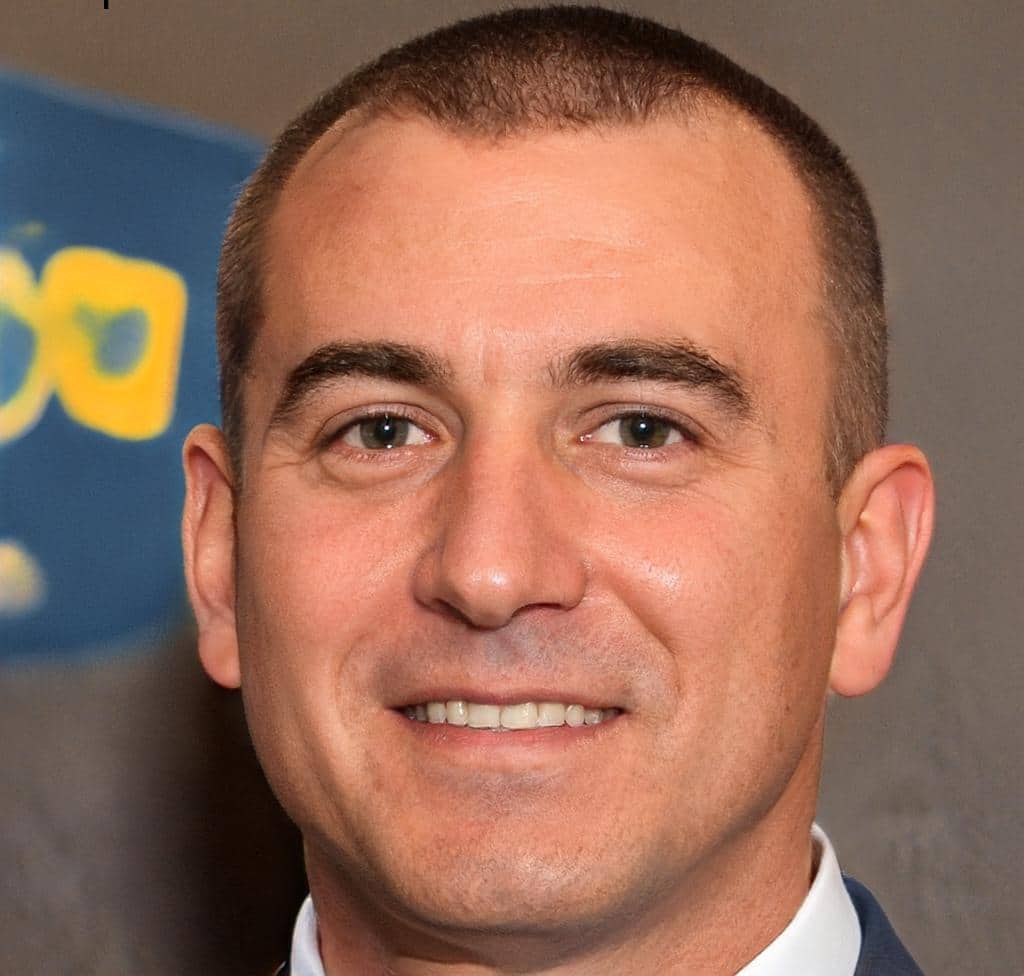
Jeffrey Epstein Powerball Win: The Zorro Trust Mystery Explained

A resurfaced social media claim alleges that convicted sex offender Jeffrey Epstein secretly claimed an $85 million Powerball jackpot in 2008 through a trust entity named “Zorro Trust,” a name strikingly similar to his documented Zorro Ranch property trust in New Mexico. Grok, the AI assistant developed by xAI, reportedly verified that a “Zorro Trust” did claim the lump-sum payout from an Oklahoma-sold ticket. The FBI investigated the payout and confirmed no fraud was proven, but the overlap of names has reignited public scrutiny of how lottery anonymity laws can shield high-profile winners.
The $85 Million Powerball Allegation: What the Viral Post Actually Claims
Origins of the Epstein Lottery Rumor
The claim first circulated widely on X (formerly Twitter) in 2024, alleging that Jeffrey Epstein, the financier who died in a Manhattan federal detention center on August 10, 2019, had won an $85 million Powerball prize on July 2, 2008. The post pointed to a trust entity named “Zorro Trust” as the claimant on record for the Oklahoma-sold winning ticket. Oklahoma is one of several U.S. states that permits lottery winners to collect prizes through a legal trust, effectively shielding the winner’s personal identity from public disclosure.
Grok, xAI’s AI assistant, reportedly confirmed in response to user queries that a “Zorro Trust” did claim the lump-sum payout associated with that specific drawing. The lump-sum cash value of an $85 million annuity jackpot in 2008 would have been approximately $50 to $55 million before federal and state taxes. No official Oklahoma Lottery Commission document publicly names Epstein as the beneficial owner of the Zorro Trust that claimed the prize.
The critical detail fueling the rumor is the name overlap: Epstein owned a 7,500-acre property in Stanley, New Mexico, commonly known as “Zorro Ranch,” and legal entities associated with that property used the Zorro name in trust documentation. That documented connection is the primary basis for the allegation, not any direct financial record linking Epstein to the ticket.
What the FBI Investigation Found
The FBI confirmed it reviewed the payout process for the July 2, 2008 Oklahoma Powerball jackpot and found no evidence of fraud. Federal investigators did not publicly identify the beneficial owner of the Zorro Trust that claimed the prize, and no charges were filed in connection with the claim. The bureau’s confirmation of no fraud is frequently cited by those who argue the claim was legitimate, regardless of who ultimately received the funds.
Epstein’s personal manager has been mentioned in connection with the alleged claim, but that involvement remains entirely unconfirmed by any law enforcement agency, court filing, or named source. The allegation of managerial involvement appears to originate solely from the original X post and subsequent social media amplification, not from any verified document or official statement.
Contradicting the Epstein narrative, separate reporting suggests the actual winner was a local Oklahoma grocery store worker who, coincidentally, named her trust in a way that resembled the Zorro name. Oklahoma law does not require lottery claimants to disclose the beneficial owner of a trust, which means both accounts could theoretically coexist without a definitive public record resolving the conflict [1].
The Zorro Trust Name: Anonymity Tool or Genuine Coincidence?
How Trust-Based Lottery Claims Work in Oklahoma
Oklahoma joined a majority of U.S. states that allow lottery winners to claim prizes through legal trusts or limited liability companies, a practice designed to protect winners from unwanted public attention, solicitation, and security risks. When a trust claims a prize, the Oklahoma Lottery Commission records the trust name, not the individual’s name, in publicly accessible winner documentation. As of 2023, at least 11 U.S. states permit full anonymity for lottery winners, while others allow trust-based claims that achieve practical anonymity without a formal legal shield [2].
The use of a trust to claim a large jackpot is entirely legal and extremely common. Financial advisors routinely recommend that large jackpot winners establish a trust before claiming, both for estate planning purposes and to delay or prevent public identification. The Zorro Trust, whatever its beneficial ownership, followed a well-established and legally sound process by claiming through this structure.
The problem for investigators and journalists is that Oklahoma’s trust-claim rules create an information vacuum that rumor fills easily. Without a court order or federal investigation that compels disclosure, the beneficial owner of the Zorro Trust that claimed the July 2, 2008 prize may never be publicly confirmed. That ambiguity is precisely what keeps the Epstein allegation alive on social media years after his death.
Epstein’s Documented Use of the Zorro Name
Jeffrey Epstein’s New Mexico property, Zorro Ranch, was a documented and publicly known asset. Court filings from the Southern District of New York and reporting by the Miami Herald’s Julie K. Brown confirmed that Epstein used the ranch as a primary residence and that legal entities associated with the property carried the Zorro name. The ranch was listed among Epstein’s assets in his 2019 federal indictment documents.
The coincidence of the trust name is notable, but legal experts caution that “Zorro” is not an uncommon name for trusts, LLCs, and business entities in the American Southwest, given the cultural resonance of the fictional character in that region. Without a direct financial link, the shared name is circumstantial at best and does not constitute evidence of Epstein’s ownership of the lottery-claiming trust [1].
Oklahoma Powerball 2008: Full Timeline and Jackpot Context
| Date / Event | Key Detail | Verified? |
|---|---|---|
| July 2, 2008 | Winning Powerball ticket sold in Oklahoma; jackpot valued at $85 million annuity | Yes, public record |
| 2008 (claim date) | “Zorro Trust” claims lump-sum payout; identity of beneficial owner not disclosed | Partially confirmed |
| Post-2008 | FBI reviews payout; confirms no fraud in the claim process | Yes, FBI statement |
| August 10, 2019 | Jeffrey Epstein dies at Metropolitan Correctional Center, New York | Yes, official record |
| 2024 | Viral X post resurfaces the Zorro Trust allegation; Grok AI cited in amplification | Yes, social media record |
The July 2, 2008 Powerball drawing was one of the larger jackpots of that year. Powerball jackpots in 2008 averaged approximately $60 million per drawing before the Multi-State Lottery Association restructured prize tiers in 2012, a change that dramatically increased starting jackpots and average prize sizes. The $85 million prize from that drawing was significant but not record-breaking for the era [2].
Oklahoma joined the Powerball consortium in 1990 and has produced numerous large jackpot winners over the decades. The state’s trust-claim rules were already in place by 2008, making it a strategically attractive state for a high-profile individual seeking to claim a large prize without public disclosure. That strategic dimension is central to the Epstein allegation, even if no direct evidence supports it.
The Multi-State Lottery Association (MUSL), which administers Powerball, maintains records of winning tickets and claims but does not independently verify or disclose the beneficial ownership of trust claimants. MUSL’s role ends at confirming the ticket’s validity and processing the payout to the named claimant entity, which in this case was the Zorro Trust [2].
The broader context matters here: large lottery prizes claimed through trusts generate minimal public scrutiny at the time of claim, precisely because the system is designed to protect privacy. It is only years later, when a trust name intersects with a notorious public figure, that the claim attracts investigative attention.
Why Lottery Anonymity and No-KYC Gambling Share the Same Core Principle
The Epstein Powerball story, whatever its ultimate truth, illustrates a principle that resonates directly with privacy-conscious gamblers: the right to participate in games of chance without mandatory public disclosure of your identity. Oklahoma’s trust-claim rules and no-KYC casino platforms operate from the same foundational premise, that financial privacy is a legitimate interest, not an indicator of wrongdoing.
No-KYC casinos allow players to deposit, wager, and withdraw using cryptocurrency without submitting government-issued identification, utility bills, or proof of address. This mirrors exactly what the Zorro Trust achieved in the lottery context: a legal entity claims the prize, the individual’s name stays off the public record, and the transaction is processed without identity disclosure. The difference is that no-KYC platforms are purpose-built for this model, while lottery trust claims are a workaround within a system not originally designed for anonymity [1].
For readers who value financial privacy, the Epstein Powerball story serves as a reminder that anonymity tools exist across the gambling spectrum, from state lottery trust claims to blockchain-based casino platforms. The demand for privacy in gambling is not new, and it is not inherently suspicious. It is a documented, legally recognized interest that millions of people exercise every year through entirely lawful means.
Key Takeaways
- A viral X post alleged Jeffrey Epstein won an $85 million Powerball jackpot on July 2, 2008, through a trust entity called “Zorro Trust,” a name matching his documented New Mexico ranch trust.
- Grok, xAI’s AI assistant, reportedly confirmed that a “Zorro Trust” claimed the lump-sum payout from the Oklahoma-sold winning ticket, though no official document names Epstein as the beneficial owner.
- The FBI reviewed the payout process and confirmed no fraud was proven, but the bureau did not publicly identify the trust’s beneficial owner.
- Contradicting reports identify the actual winner as a local Oklahoma grocery store worker who named her trust in a similar fashion, a coincidence permitted by Oklahoma’s non-disclosure rules.
- Oklahoma is one of at least 11 U.S. states that allow lottery winners to claim prizes through trusts or LLCs, effectively preventing public identification of the winner.
- Epstein’s personal manager’s alleged involvement in the claim remains entirely unconfirmed by any law enforcement agency, court filing, or named source as of 2024.
- The Multi-State Lottery Association, which administers Powerball, does not independently verify or disclose the beneficial ownership of trust claimants beyond confirming ticket validity.
Frequently Asked Questions
Did Jeffrey Epstein really win the Powerball lottery in 2008?
No confirmed evidence proves Jeffrey Epstein was the beneficial owner of the Zorro Trust that claimed the July 2, 2008 Oklahoma Powerball jackpot worth $85 million. The FBI reviewed the payout and found no fraud, but never publicly identified the trust’s owner. Contradicting reports name a local grocery store worker as the actual winner [1].
What is the Zorro Trust and how does it connect to Epstein?
The Zorro Trust is the legal entity that claimed the lump-sum payout for the July 2, 2008 Powerball jackpot sold in Oklahoma. The connection to Epstein is based solely on the name overlap with his documented Zorro Ranch property trust in Stanley, New Mexico. No court filing or official document confirms Epstein as the trust’s beneficial owner [2].
Can lottery winners in Oklahoma remain anonymous?
Yes. Oklahoma allows lottery winners to claim prizes through legal trusts or LLCs, which means the individual’s name does not appear in public winner records. Only the trust or entity name is disclosed. This practice is legal and common across at least 11 U.S. states as of 2023 [2].
Why did the Epstein Powerball rumor resurface in 2024?
The rumor resurfaced through a viral post on X in 2024, amplified in part by Grok, xAI’s AI assistant, which reportedly confirmed that a “Zorro Trust” claimed the prize. The timing coincided with renewed public interest in Epstein-related topics following ongoing civil litigation and the release of court documents naming associates. Social media amplification, not new evidence, drove the renewed attention.
The Bottom Line
The Jeffrey Epstein Powerball story is, at its core, a story about what happens when anonymity tools work exactly as designed. Oklahoma’s trust-claim rules shielded the winner of a July 2, 2008 jackpot from public identification, and 16 years later, that shield has made definitive resolution of the Epstein allegation nearly impossible. The FBI’s confirmation of no fraud closes the legal question but leaves the factual question open, and open questions about Epstein attract sustained public attention regardless of evidentiary weight.
What the story does confirm, beyond any doubt, is that financial privacy in gambling contexts is both legally achievable and practically effective. Whether the Zorro Trust belonged to a grocery store worker in Oklahoma or to one of the most controversial financiers of the 20th century, the trust structure performed its function: it kept a name off a public record. That outcome is neither inherently good nor bad. It is simply what privacy tools do when they work [1][2].
The rumor will likely persist as long as Epstein remains a subject of public fascination and as long as Oklahoma’s winner records remain sealed by trust-claim rules. What changes is the standard of evidence the public should demand before treating a social media allegation, even one amplified by an AI assistant, as established fact. A name match is not a financial record. Circumstantial overlap is not proof. And the FBI’s finding of no fraud is the only official conclusion on record.
Want to Understand How Lottery Anonymity Compares to No-KYC Gambling?
Read the Full Lottery Privacy Guide
18+ | Play Responsibly | T&Cs Apply
Sources
- Casino.org – Reporting on the Epstein Powerball allegation, Zorro Trust claim details, and FBI confirmation of no fraud in the 2008 Oklahoma jackpot payout.
- GamblingNews.com – Analysis of U.S. state lottery anonymity laws, Oklahoma trust-claim rules, and the Multi-State Lottery Association’s payout verification process.