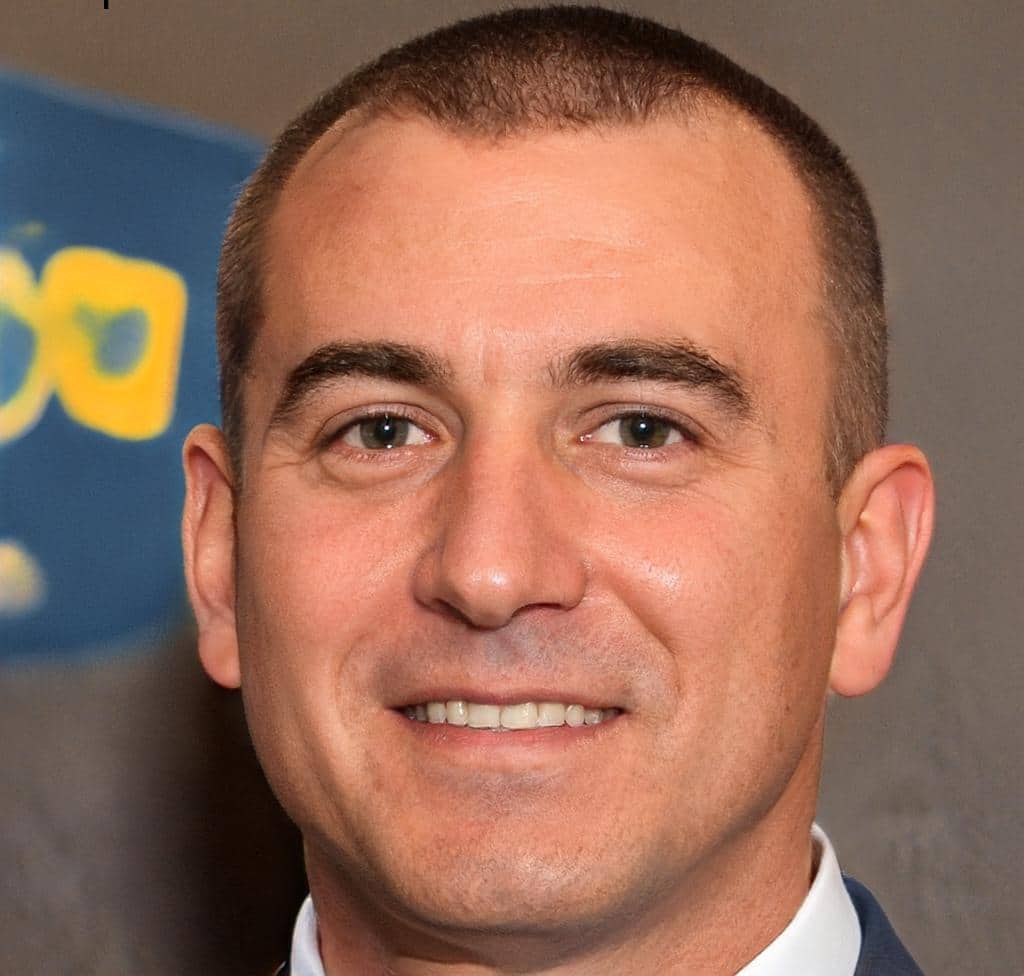
ACMA Warns MMA Fighter Jamie Mullarkey Over Illegal Gambling Promotion in Australia’s First Influencer Enforcement Action

The Australian Communications and Media Authority has formally warned UFC lightweight Jamie Mullarkey for promoting an illegal offshore gambling service on Instagram, making Mullarkey the first social media influencer in Australia to face enforcement action under the country’s online gambling laws. The warning signals a sharp escalation in ACMA’s crackdown on influencer-driven gambling promotion, with civil penalties of up to $59,400 available for individuals who do not comply.
ACMA Issues Australia’s First Influencer Warning for Illegal Gambling Promotion
What Jamie Mullarkey Did and How ACMA Responded
Jamie Mullarkey, an Australian MMA fighter who competes in the UFC lightweight division, accepted a sponsorship deal with an offshore gambling operator and promoted that service to his Instagram followers. The service in question was not licensed to offer online gambling to Australian residents, placing it squarely in the category of illegal offshore gambling under Australian federal law. ACMA opened an investigation and concluded that Mullarkey’s Instagram posts constituted promotion of an illegal interactive gambling service, a breach of the Interactive Gambling Act 2001 [1].
ACMA chose to issue a formal warning rather than pursue civil penalties, citing Mullarkey’s cooperation throughout the investigation. Mullarkey terminated the sponsorship arrangement, removed all promotional content from his Instagram account, and expressed remorse for the breach. ACMA confirmed it weighed these mitigating factors heavily in deciding the appropriate enforcement response.
This is the first time ACMA has taken formal enforcement action against a social media influencer for breaching Australia’s online gambling laws, a milestone that puts every Australian athlete, content creator, and online personality on notice. The regulator has made clear that influencers are not exempt from the same legal obligations that apply to gambling operators and advertisers.
Why Influencer Gambling Promotion Is Illegal in Australia
Australia’s Interactive Gambling Act 2001 prohibits the provision and promotion of certain interactive gambling services to Australian residents. The law covers not just the operators running illegal platforms but also any person or entity that promotes those services, including through social media. A single Instagram post, story, or affiliate link pointing Australian users toward an unlicensed offshore gambling site can constitute a breach.
ACMA has the authority to investigate complaints, issue formal warnings, and refer matters to the Australian Federal Police or the Director of Public Prosecutions for civil penalty proceedings. The regulator does not need to prove that any Australian resident actually signed up or deposited money through the promoted service. The act of promotion itself is sufficient to trigger liability.
Mullarkey’s case is particularly instructive because it involved a genuine commercial arrangement: a paid sponsorship with an offshore operator. ACMA’s investigation suggests the regulator is actively monitoring social media for undisclosed or illegal gambling partnerships, not just waiting for complaints to arrive.
Civil Penalties Up to $59,400 and What Determines the Outcome
The Penalty Tiers ACMA Can Apply
Under the Interactive Gambling Act 2001, individuals who promote illegal online gambling services face civil penalties of up to $59,400 per contravention [1]. Corporations face significantly higher exposure. ACMA can also issue formal warnings, which carry no immediate financial penalty but create a compliance record that regulators and courts consider in any future proceedings.
| Enforcement Action | Who It Applies To | Maximum Penalty |
|---|---|---|
| Formal Warning | Individuals and corporations | No financial penalty; compliance record created |
| Civil Penalty (Individual) | Influencers, promoters, affiliates | Up to $59,400 per contravention |
| Civil Penalty (Corporation) | Operators, agencies, media companies | Significantly higher; multiples of individual cap |
| Criminal Referral | Repeat or egregious offenders | Potential imprisonment under related statutes |
In Mullarkey’s case, ACMA stopped at the formal warning stage. The three factors that drove that decision were: Mullarkey’s voluntary cooperation with the investigation, his prompt removal of all promotional content, and his expressed remorse. ACMA has not publicly named the offshore gambling service involved, but the regulator confirmed the service was operating illegally in Australia at the time of the promotion.
What Happens If a Second Breach Occurs
A formal warning from ACMA is not a clean slate. If Mullarkey or any other influencer who has received a warning subsequently promotes another illegal gambling service, ACMA can use the prior warning as an aggravating factor in penalty calculations. Regulators in comparable jurisdictions, including the UK Gambling Commission, have demonstrated a pattern of escalating from warnings to five- and six-figure fines on second offences.
ACMA has stated publicly that its crackdown on illegal gambling promotion includes ongoing monitoring of social media platforms. The regulator uses both complaint-driven investigations and proactive surveillance to identify potential breaches. Any influencer in Australia who accepts payment from an offshore gambling operator without verifying that operator’s Australian licensing status now faces a documented enforcement risk.
ACMA’s Broader Crackdown on Illegal Gambling: 2023 to 2026
How Australia’s Enforcement Posture Has Shifted
ACMA’s action against Jamie Mullarkey did not emerge in isolation. Since 2023, the Australian Communications and Media Authority has significantly intensified its enforcement activity against illegal offshore gambling operators and their promotional networks. The regulator has blocked access to dozens of illegal gambling websites under its website-blocking powers, which were strengthened by amendments to the Interactive Gambling Act 2001 in 2017.
By mid-2025, ACMA had directed Australian internet service providers to block more than 800 illegal gambling and affiliate websites. The regulator has also issued formal warnings and referrals to the Australian Federal Police involving operators who continued to accept Australian customers after receiving blocking notices. The Mullarkey case represents a logical extension of this enforcement arc: having targeted the platforms themselves, ACMA is now pursuing the promotional ecosystem that drives Australian players toward those platforms.
The influencer marketing industry in Australia generates billions of dollars in annual revenue, and gambling operators have historically viewed athlete and lifestyle influencers as high-value promotional channels. A single post from a UFC fighter with a substantial Instagram following can reach hundreds of thousands of Australian sports fans, many of whom may not distinguish between a licensed and an unlicensed gambling site.
Influencer Marketing Law in Australia: The Compliance Gap
Australian consumer law already requires influencers to disclose paid partnerships under Australian Competition and Consumer Commission guidelines. The Interactive Gambling Act 2001 adds a separate and stricter layer: even a fully disclosed paid partnership with an illegal gambling operator remains a breach of federal law. Disclosure does not cure illegality.
Many influencers and their management agencies have operated under the mistaken belief that adding a hashtag like #ad or #sponsored satisfies all legal obligations. The Mullarkey case makes clear that the identity and licensing status of the sponsor matters as much as the disclosure itself. Sports agents, talent managers, and marketing agencies that facilitate deals between athletes and offshore gambling operators now share exposure to ACMA scrutiny.
For context, the UK Advertising Standards Authority and the UK Gambling Commission have jointly pursued influencer gambling cases since 2021, resulting in formal sanctions against multiple Premier League footballers and YouTube personalities. Australia’s ACMA is following a similar trajectory, and the Mullarkey warning suggests the regulator intends to accelerate that process in 2026 [1].
[PLACEHOLDER: IMAGE_2]
What This Means for Australian Players Who Use Offshore Gambling Platforms
ACMA’s enforcement actions target operators and promoters, not individual Australian players. Under the Interactive Gambling Act 2001, it is not a criminal offence for an Australian resident to place a bet with an offshore gambling site. The law focuses on the supply side: the operators who provide the service and the promoters who drive traffic to it. Australian players who choose to use offshore platforms do so in a legal grey area that ACMA’s current enforcement posture does not directly address.
That said, the crackdown on illegal offshore gambling promotion has a practical effect on how Australian players discover and access those platforms. As ACMA blocks more websites and pursues more influencers, the promotional channels that once made offshore casinos highly visible to Australian audiences are narrowing. Players who value privacy and anonymity in their gambling activity increasingly seek out platforms through independent research rather than influencer referrals, which is one reason that privacy-focused resources covering Australian betting news and regulatory developments have grown in relevance for this audience.
For players who prioritize account privacy and minimal data disclosure, the regulatory environment in Australia makes the distinction between licensed and unlicensed platforms increasingly important to understand. Players researching their options can find detailed comparisons of platforms that operate with varying levels of identity verification requirements at resources like the best no KYC online casino guide, which covers how different platforms handle player data and verification. Understanding the legal framework that ACMA enforces helps any player make a more informed decision about where and how they choose to gamble online.
Key Takeaways
- ACMA issued a formal warning to UFC lightweight Jamie Mullarkey for promoting an illegal offshore gambling service on Instagram, the first such action against an influencer in Australia.
- The Interactive Gambling Act 2001 prohibits promotion of unlicensed gambling services to Australian residents, regardless of whether the influencer discloses the paid partnership.
- Civil penalties for individuals who promote illegal gambling services reach up to $59,400 per contravention under Australian federal law.
- Mullarkey avoided financial penalties by cooperating with ACMA’s investigation, terminating the sponsorship, removing all content, and expressing remorse.
- ACMA has blocked more than 800 illegal gambling and affiliate websites since 2017, and the Mullarkey case extends that crackdown to the influencer promotional ecosystem.
- Sports agents, talent managers, and marketing agencies that arrange deals between athletes and offshore gambling operators share exposure to ACMA enforcement action.
- Australian players are not criminally liable for using offshore platforms, but the promotional channels connecting them to those platforms are under increasing regulatory pressure.
Frequently Asked Questions
What did Jamie Mullarkey do to receive an ACMA warning?
Jamie Mullarkey promoted an illegal offshore gambling service on his Instagram account as part of a paid sponsorship arrangement. The Australian Communications and Media Authority determined this constituted promotion of an unlicensed interactive gambling service under the Interactive Gambling Act 2001. Mullarkey cooperated with the investigation, ended the sponsorship, and removed the content, which led ACMA to issue a warning rather than pursue civil penalties [1].
Is it illegal for Australian influencers to promote gambling sites?
It is illegal for any person in Australia to promote an online gambling service that is not licensed to operate in Australia, regardless of whether the promotion is disclosed as paid advertising. The Interactive Gambling Act 2001 covers promoters and affiliates, not just operators. Promoting a licensed Australian gambling service is subject to separate advertising restrictions but is not automatically illegal.
How much can ACMA fine an influencer for illegal gambling promotion?
ACMA can pursue civil penalties of up to $59,400 per contravention for individuals who promote illegal online gambling services in Australia [1]. Each separate promotional post or piece of content could potentially constitute a separate contravention, meaning total exposure can multiply quickly across multiple posts or campaigns.
What is ACMA’s authority over online gambling in Australia?
The Australian Communications and Media Authority is the federal regulator responsible for enforcing the Interactive Gambling Act 2001. ACMA can investigate complaints, issue formal warnings, direct internet service providers to block illegal gambling websites, and refer matters to the Australian Federal Police or the Director of Public Prosecutions for civil penalty proceedings. The regulator’s powers were expanded by legislative amendments in 2017.
Who is at risk from ACMA’s influencer gambling crackdown?
Any Australian social media influencer, athlete, content creator, or public figure who accepts payment to promote an offshore gambling service faces enforcement risk from ACMA. Sports agents, talent management agencies, and marketing firms that facilitate such arrangements also face potential scrutiny. ACMA has stated it conducts proactive social media monitoring as part of its broader crackdown on illegal gambling promotion.
The Bottom Line
ACMA’s formal warning to Jamie Mullarkey is not a one-off response to a single Instagram post. It is a deliberate signal from Australia’s federal communications regulator that the influencer marketing ecosystem surrounding illegal offshore gambling is now a primary enforcement target. The regulator has spent years blocking websites and pursuing operators; it is now working its way through the promotional supply chain, and influencers sit at a highly visible point in that chain.
For athletes, content creators, and their management teams, the Mullarkey case sets a clear precedent: verify the licensing status of any gambling sponsor before accepting a deal, because ACMA is watching and the penalties are real. For Australian players, the case is a reminder that the regulatory environment around offshore gambling is tightening, and that understanding which platforms operate legally and which do not has practical consequences for how those platforms can be discovered and promoted. You can follow ongoing developments in Australian gambling regulation at the betting news section for the latest enforcement updates.
Australia has now joined the UK, Germany, and the Netherlands in treating influencer gambling promotion as a serious regulatory matter rather than a grey area. The first formal warning has been issued. The next step, if the pattern from comparable regulators holds, will be the first civil penalty.
Looking for Casinos That Respect Your Privacy?
18+ | Play Responsibly | T&Cs Apply
Sources
- GamblingNews.com – ACMA formal warning to Jamie Mullarkey, penalty figures, and details of the investigation and mitigating factors.