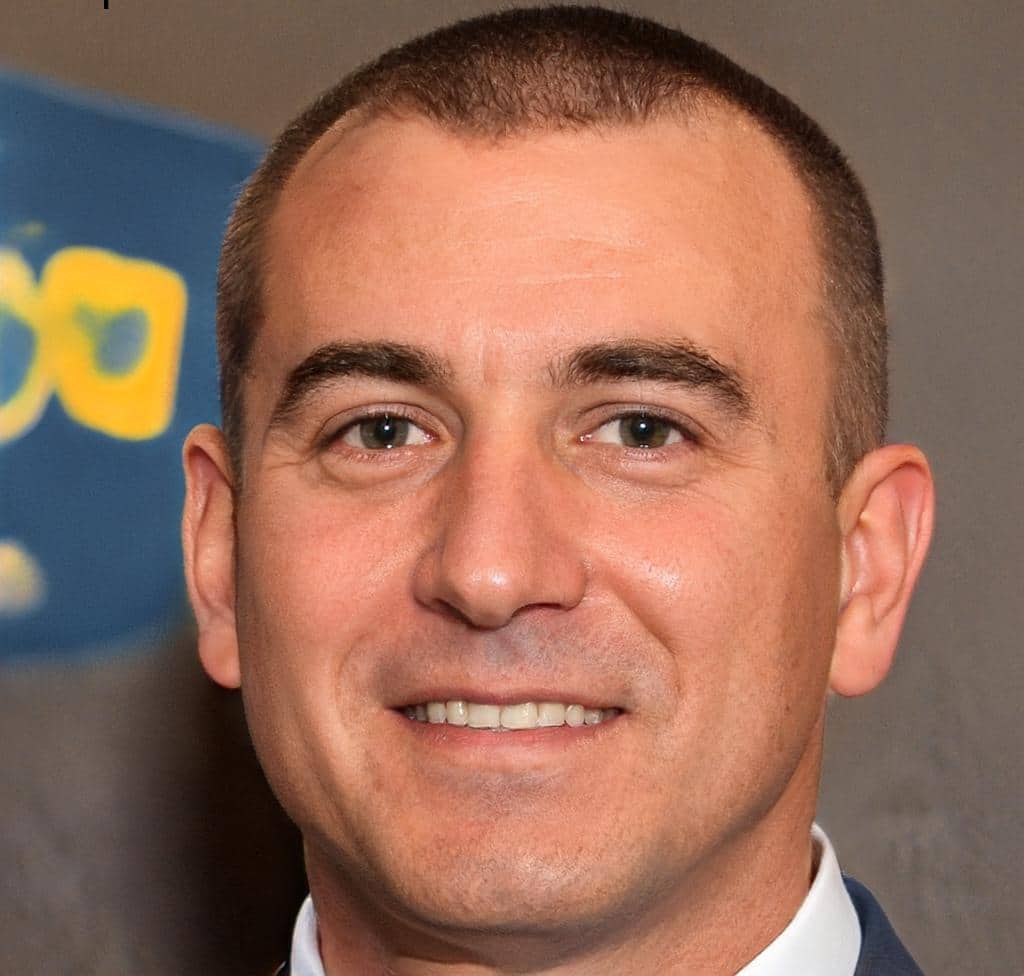
McKay Coppins Atlantic Gambling Piece: Industry Fires Back
The Atlantic published McKay Coppins’ first-person gambling experiment in early 2025, and the sports betting industry pushed back hard. Coppins, a devout Mormon given $10,000 by his editors, lost every dollar across an NFL season and wrote a broadly negative portrait of legal sports wagering. Veteran industry figures say the piece reveals more about the author’s prior convictions than about the $119 billion U.S. legal sports betting market it claims to examine.
McKay Coppins Lost $10,000 of The Atlantic’s Money, Then Called It Journalism
The Assignment: One Season, One Wallet, One Predetermined Frame
The Atlantic handed Coppins a $10,000 budget and a simple mandate: immerse yourself in legal sports betting for an entire NFL season and report back. Coppins, who covers politics and culture and has no documented background in sports wagering, accepted. He lost the full $10,000 before the season ended.
The resulting article, headlined “My Year as a Degenerate Gambler,” ran in The Atlantic and leaned heavily on Coppins’ personal discomfort with gambling culture. Critics noted immediately that the headline itself, using the clinical term “degenerate” as a self-descriptor, signaled the moral register the piece would operate in before readers reached the first paragraph.
The structural problem, according to analysts, is that Coppins entered the experiment as a practicing Mormon with documented religious objections to gambling, making genuine neutrality nearly impossible from day one. The piece reads, critics argue, less like an investigation and more like a confirmation of beliefs Coppins already held before placing his first bet.
What Coppins Actually Wrote, and What He Left Out
Coppins focused on the psychological pull of gambling apps, the design choices of platforms like DraftKings, and what he described as predatory targeting of vulnerable users. These are legitimate areas of inquiry. The piece, however, drew criticism for conflating recreational bettors with problem gamblers and for presenting his own loss of $10,000 as representative of the average user experience.
Industry data complicates that framing. The American Gaming Association reported in 2024 that approximately 73 million Americans bet on sports legally, and the vast majority do so recreationally with defined budgets. Coppins did not appear to interview professional bettors, quantitative analysts, or recreational gamblers who profit or break even, a selection bias that shaped the article’s conclusions significantly.
When challenged after publication, Coppins told critics he was writing about the industry’s structural incentives, not about individual gamblers. Critics found that defense unconvincing given the article’s heavy reliance on his personal emotional journey as its narrative spine.
Joe Brennan Jr. and Unabated Lead the Industry Counterattack
Named Critics, Specific Objections
Joe Brennan Jr., a longtime figure in the legal gambling industry and founder of iDevelopment and Economic Association (iDEA), was among the first to publicly characterize the piece as a hit job. Brennan argued that Coppins’ Mormon faith created an undisclosed conflict of interest that should have been addressed transparently in the article’s methodology section, not buried or omitted entirely.
Unabated, the sports betting analytics platform founded by former professional gambler Keith Pace, published a detailed critique targeting what it called the article’s journalistic flaws. The Unabated team argued that Coppins demonstrated no understanding of expected value, line shopping, or bankroll management, the foundational concepts any competent reporter covering the industry would need to grasp before spending $10,000 and drawing conclusions from the results [1].
The core analytical complaint is this: a journalist who loses $10,000 while making uninformed bets has not demonstrated that sports betting is harmful. He has demonstrated that uninformed betting loses money, which is not news. Unabated’s critique pointed out that professional bettors operate with positive expected value and that the house edge on most sportsbook markets runs between 4% and 8%, a figure Coppins never cited.
Coppins Responds, Critics Remain Unconvinced
Coppins responded to the backlash by suggesting industry critics were being defensive and reading his article as an attack on individual gamblers when it was aimed at corporate behavior. He specifically cited DraftKings’ marketing practices and algorithmic personalization as his primary targets.
That response did not satisfy Brennan or the Unabated team. Their argument was not that DraftKings deserves no scrutiny. Their argument was that Coppins lacked the domain expertise to scrutinize it credibly, and that his religious background created a bias he never disclosed to readers, violating basic journalistic ethics standards as outlined by the Society of Professional Journalists’ Code of Ethics, which requires journalists to “avoid conflicts of interest, real or perceived” [2].
Gambling911, which covered the industry reaction in detail, noted that the criticism from Brennan and Unabated resonated widely in professional betting circles precisely because it was specific and technical rather than simply defensive [1].
Sports Betting Journalism Has a Credibility Problem in 2024 and 2025
| Article | Publication | Primary Criticism |
|---|---|---|
| My Year as a Degenerate Gambler | The Atlantic, 2025 | Author’s religious bias, no domain expertise, conflation of recreational and problem gambling |
| Various problem gambling features | Multiple outlets, 2023-2024 | Overrepresentation of problem gamblers vs. 73 million recreational bettors |
| DraftKings algorithm investigations | Various, 2024 | Legitimate corporate accountability reporting with stronger sourcing |
The U.S. legal sports betting market generated $10.92 billion in gross gaming revenue in 2023, according to the American Gaming Association, and crossed $119 billion in total handle. That scale means the industry now attracts the same level of mainstream media scrutiny as pharmaceuticals, social media, and finance. The quality of that scrutiny varies enormously.
The Coppins piece sits at one end of a spectrum. At the other end, outlets like The Athletic and ESPN have published data-driven investigations into sportsbook margin practices, same-game parlay house edges exceeding 15%, and the targeting of self-excluded players, all with named sources and verifiable figures [3]. Those pieces drew far less industry pushback because they were built on evidence rather than personal narrative.
The distinction matters for readers trying to understand the industry. Narrative immersion journalism can produce powerful accountability work when the journalist enters with genuine curiosity and discloses their priors. When the journalist enters with a moral conclusion already reached, the experiment becomes theater. The Coppins piece, critics argue, is theater with a $10,000 budget and a prestigious masthead.
The broader pattern is that mainstream outlets increasingly assign gambling stories to generalist writers who lack the quantitative background to evaluate sportsbook mechanics, a gap that produces coverage the industry can credibly dismiss rather than coverage that forces genuine accountability.
Why Anonymous Bettors Pay Attention to How the Industry Gets Covered
For bettors who prefer no-KYC platforms precisely because they distrust corporate data collection and media narratives about gambling, the Coppins controversy is a familiar dynamic. When mainstream journalism frames all sports betting through the lens of addiction and loss, it creates political pressure for regulations that often target privacy and anonymity first, including mandatory identity verification requirements and transaction monitoring.
Articles like Coppins’ feed a regulatory feedback loop: negative coverage drives legislative concern, legislative concern drives KYC mandates, and KYC mandates reduce the options available to responsible adults who simply want to bet without submitting a passport to a corporation. The quality of gambling journalism, in other words, has direct downstream effects on betting freedom.
Key Takeaways
- McKay Coppins received $10,000 from The Atlantic editors and lost the entire amount betting on NFL games across one full season.
- Coppins is a practicing Mormon, a fact critics say created an undisclosed conflict of interest that shaped the article’s framing from the start.
- Joe Brennan Jr. of iDEA publicly called the piece a hit job, citing Coppins’ religious background as an undisclosed bias.
- Unabated, the professional betting analytics platform, published a technical critique arguing Coppins lacked the domain knowledge to draw valid conclusions from his experiment.
- The U.S. legal sports betting market handled over $119 billion in 2023, according to the American Gaming Association, providing the scale that makes coverage quality consequential.
- Coppins defended the piece by saying critics misread his target as individual gamblers rather than corporate industry practices, a defense analysts found insufficient given the article’s structure.
- The Society of Professional Journalists’ Code of Ethics requires disclosure of conflicts of interest, a standard critics say the piece failed to meet.
Frequently Asked Questions
What did McKay Coppins write about gambling in The Atlantic?
Coppins wrote “My Year as a Degenerate Gambler” for The Atlantic, documenting one NFL season during which he bet $10,000 provided by his editors. He lost the full amount and wrote a broadly negative portrait of legal sports betting, focusing on platform design and what he described as predatory industry practices. Critics noted he is a practicing Mormon and argued this created an undisclosed bias.
Why did the sports betting industry call the Atlantic piece a hit piece?
Industry figures including Joe Brennan Jr. and the team at Unabeted argued the piece showed anti-gambling bias rooted in Coppins’ Mormon faith, lacked domain expertise in betting mechanics, and conflated recreational gambling with problem gambling. They said losing $10,000 while betting without understanding expected value or bankroll management proved nothing about the industry’s harm, only about the author’s inexperience [1].
Is DraftKings criticized in the McKay Coppins Atlantic article?
Yes. Coppins specifically cited DraftKings’ marketing practices and algorithmic personalization as examples of what he considered predatory industry behavior. When critics pushed back, Coppins said his piece was aimed at corporate practices like DraftKings’ rather than individual bettors. Industry analysts argued the article’s narrative structure undermined that stated intent.
What are the ethics rules for journalists covering gambling?
The Society of Professional Journalists’ Code of Ethics requires journalists to avoid conflicts of interest, real or perceived, and to be transparent about any factors that could affect their reporting [2]. Critics of the Coppins piece argued that his religious objections to gambling constituted exactly this kind of conflict and should have been disclosed prominently in the article’s methodology.
The Bottom Line
The backlash against McKay Coppins’ Atlantic piece is not simply an industry defending itself from criticism. It is a specific, technical argument that the article failed basic journalistic standards: it buried a material conflict of interest, drew sweeping conclusions from an uncontrolled personal experiment, and presented the experience of an uninformed first-time bettor as evidence of systemic harm. Those are fair criticisms regardless of one’s views on gambling.
What the controversy exposes is a wider problem in how major publications cover the $119 billion legal sports betting industry. Assigning a story of this complexity to a writer with no quantitative background and a documented moral objection to the subject produces coverage that the industry can dismiss with ease, and that serves neither accountability journalism nor the 73 million Americans who bet legally and responsibly every year.
The standard for gambling journalism should be the same as for any other regulated industry: named sources, disclosed conflicts, verifiable data, and enough domain knowledge to know what questions to ask. The Coppins piece met none of those standards, and the industry’s response, however self-interested in part, was not wrong to say so.
Want the Full Story on Sports Betting Journalism and Industry Accountability?
Read the Full Industry Coverage
18+ | Play Responsibly | T&Cs Apply
Sources
- Gambling911 – Industry reaction coverage of the McKay Coppins Atlantic gambling article and responses from Joe Brennan Jr. and Unabated
- Society of Professional Journalists – SPJ Code of Ethics requiring disclosure of conflicts of interest in journalism
- American Gaming Association – 2023 and 2024 U.S. legal sports betting handle and gross gaming revenue figures