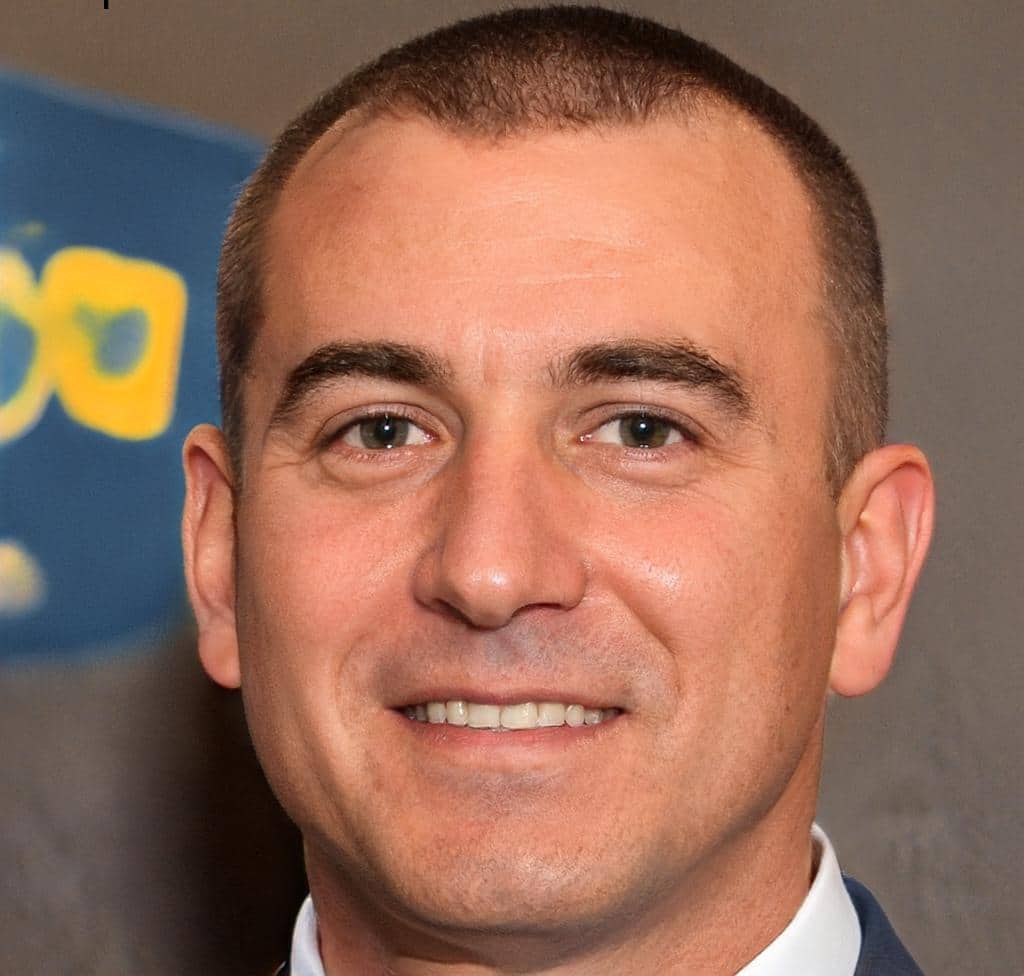
Morikawa Withdrawal Sparks Golf Betting Dispute at Players Championship
Collin Morikawa, one of the top five players in the world and a pre-tournament favorite, pulled out of the 2025 Players Championship after suffering a back injury during a warm-up swing on his second hole. The withdrawal triggered an immediate dispute between bettors and sportsbooks, with Hard Rock Bet refusing to void active wagers while TheScore.com took the opposite approach. The incident has reignited a long-running debate about sportsbook withdrawal policies and what bettors are actually owed when a top-ranked player exits mid-round.
Morikawa Exits the Players Championship With a Back Injury on Hole 2
How the Injury Unfolded on the Course
Morikawa’s withdrawal came without warning during the opening round of the Players Championship at TPC Sawgrass in Ponte Vedra Beach, Florida. He completed his first hole before injuring his back on a warm-up swing ahead of the second hole, forcing him to withdraw from the tournament entirely. The timing was brutal: he had technically teed off, which triggered the standard sportsbook rule that treats any started round as a settled bet.
As the world’s No. 5 ranked player, Morikawa carried significant betting volume heading into the event. He was listed among the top favorites to win the tournament, meaning sportsbooks had accepted substantial liability on his name before a single competitive shot was struck. His exit in the first two holes of play left thousands of bettors holding losing tickets through no fault of their own wagering decision.
The Players Championship is considered by many golf insiders to be the sport’s fifth major, offering the largest purse on the PGA Tour calendar. A top-five player withdrawing in the opening holes is not just a sporting footnote; it is a financial event for anyone who placed a futures or outright bet on Morikawa to win or finish in a top position.
Why the Warm-Up Swing Detail Matters Legally and Financially
The distinction between a warm-up swing and a competitive swing matters enormously under standard sportsbook rules. Most major sportsbooks define “action” as beginning the moment a player tees off in their first competitive round, not when they complete a hole or reach a scoring threshold. Morikawa had completed hole 1, meaning he had unambiguously started his round under virtually every sportsbook’s terms and conditions.
This policy exists to prevent bettors from voiding wagers after observing early-round performance, which would create a one-sided advantage. However, critics argue the rule becomes punitive when applied to genuine medical withdrawals that occur within the first two holes of a 72-hole tournament. A bettor who wagered on Morikawa to win the Players Championship received essentially zero competitive value from their bet before it was settled as a loss.
Hard Rock Bet Counts Bets as Losses While TheScore.com Voids Them
The DunkMan Complaint and Hard Rock Bet’s Position
A bettor publicly identified as “DunkMan” took to social media to criticize Hard Rock Bet after the sportsbook refused to void his wager on Morikawa following the withdrawal. According to reporting from Covers.com, DunkMan’s complaint drew significant attention because it highlighted the real-world cost of a policy that many recreational bettors do not read carefully before placing their wagers [1]. Hard Rock Bet’s position aligned with standard industry practice: once a player tees off, the bet stands.
Hard Rock Bet is one of the larger regulated sportsbooks operating in the United States, with a significant presence in states like Florida, New Jersey, and Indiana. Its refusal to void the Morikawa bet was not a policy error or an oversight; it was the company applying its published terms consistently. That consistency, however, did not soften the frustration of bettors who felt the outcome was fundamentally unfair given how little competitive golf Morikawa actually played.
The incident is a textbook example of what consumer advocates in the gambling industry call a “terms of service trap,” where the written policy is technically correct but produces outcomes that damage customer trust. Hard Rock Bet has not publicly commented on whether it plans to revisit its golf withdrawal policy following the backlash.
TheScore.com Earns Praise for Voiding Morikawa Bets
TheScore.com took a different approach entirely, choosing to void all bets placed on Morikawa for the Players Championship. At least one bettor publicly praised TheScore.com for the decision, calling it the right call given the circumstances of the withdrawal. This divergence in policy between two regulated sportsbooks operating in overlapping markets created a direct, visible comparison that bettors could not ignore [2].
TheScore.com’s decision likely reflects a customer retention calculation as much as a fairness judgment. Voiding a bet on a player who withdrew after one hole costs the sportsbook relatively little in margin while generating substantial goodwill. In a competitive regulated market where bettors can easily switch platforms, a single high-profile policy decision can shift customer loyalty in measurable ways.
How Major Sportsbooks Handle Golf Withdrawal Bets in 2025
The Morikawa situation is not isolated. Golf produces more mid-tournament withdrawal disputes than almost any other sport because of the physical demands of the game and the frequency with which professionals manage chronic injuries. According to data tracked by Gambling911.com, withdrawal-related betting disputes spike during major events and signature tournaments where betting volume is highest [3].
| Sportsbook | Policy on Withdrawal After Tee-Off | Bettor Outcome (Morikawa Case) |
|---|---|---|
| Hard Rock Bet | Bet stands as a loss once player tees off | Bet settled as loss |
| TheScore.com | Voided bets on withdrawal regardless of timing | Bet voided, stake returned |
| DraftKings (standard policy) | Bet stands once player has teed off | Typically settled as loss |
| FanDuel (standard policy) | Bet stands once player has teed off | Typically settled as loss |
| Bet365 (standard policy) | Void if player does not complete first round | Varies by market type |
The industry has never standardized golf withdrawal rules, which means bettors face a lottery of outcomes depending entirely on which platform they used. Bet365, for example, applies a “complete the first round” threshold in some markets, which would have voided Morikawa bets since he did not finish his opening 18 holes. DraftKings and FanDuel generally follow the tee-off rule, aligning with Hard Rock Bet’s position.
This lack of standardization is a structural problem. The American Gaming Association, which represents the regulated sports betting industry in the United States, has published responsible gambling guidelines but has not issued a unified standard for withdrawal bet settlement in golf. State gaming regulators in New Jersey, Pennsylvania, and Michigan each publish their own minimum standards, but none specifically address the scenario of a player withdrawing within the first two holes of a major tournament.
The financial stakes are real. The Players Championship routinely attracts tens of millions of dollars in betting handle across regulated U.S. sportsbooks. A top-five player like Morikawa commands a meaningful share of that volume, meaning the aggregate impact of the withdrawal settlement decision across all sportsbooks runs into hundreds of thousands of dollars in disputed outcomes.
What This Means for Bettors Who Value Privacy and Policy Transparency
For bettors who use no KYC platforms precisely because they want to avoid bureaucratic friction, the Morikawa dispute is a direct reminder that dispute resolution is only as good as the platform’s published policy. On no KYC sportsbooks, there is no account manager to call and no identity-linked complaint process to escalate through a state regulator. The terms of service are the entire contract, which makes reading withdrawal policies before placing golf bets more important, not less.
The Morikawa case also illustrates why policy transparency is a competitive differentiator in anonymous betting environments. Platforms that clearly state whether golf bets are voided on withdrawal, and under what conditions, give privacy-focused bettors the information they need to make informed decisions. TheScore.com’s decision to void Morikawa bets earned public praise precisely because it was clear, fast, and customer-friendly. No KYC platforms that adopt similarly transparent withdrawal policies stand to build the same kind of trust without requiring personal data to do it.
Key Takeaways
- Collin Morikawa, ranked No. 5 in the world, withdrew from the 2025 Players Championship after injuring his back on a warm-up swing during his second hole.
- Hard Rock Bet settled all Morikawa bets as losses, citing its standard policy that bets stand once a player has teed off.
- TheScore.com voided all Morikawa bets and returned stakes to bettors, earning public praise from at least one affected customer.
- Bettor “DunkMan” publicly criticized Hard Rock Bet on social media, bringing widespread attention to the policy gap between platforms.
- No unified U.S. regulatory standard exists for golf withdrawal bet settlement, leaving outcomes entirely dependent on individual sportsbook terms.
- Bet365 applies a “complete the first round” threshold in some markets, which would have produced a different outcome than Hard Rock Bet’s policy in this case.
- The Players Championship is the PGA Tour’s highest-purse event, making it one of the most heavily bet tournaments of the year and amplifying the financial impact of any top-player withdrawal.
Frequently Asked Questions
Does a golfer withdrawal void my bet?
It depends entirely on the sportsbook you used. Hard Rock Bet counts bets as losses once a player has teed off, even if they withdraw after one hole. TheScore.com voided Morikawa bets in the 2025 Players Championship. Always check the specific withdrawal policy in your sportsbook’s golf betting rules before placing a wager on an individual player.
What happened to Collin Morikawa at the 2025 Players Championship?
Morikawa withdrew from the 2025 Players Championship at TPC Sawgrass after injuring his back on a warm-up swing during his second hole of the opening round. He had completed hole 1 before the injury forced him to exit the tournament. As the world No. 5 player and a top pre-tournament favorite, his withdrawal had significant betting implications across multiple sportsbooks [1].
Is Hard Rock Bet’s withdrawal policy legal?
Yes. Hard Rock Bet’s policy of settling bets as losses once a player tees off is consistent with standard industry practice and complies with state gaming regulations in the markets where it operates. State regulators set minimum standards but do not mandate that sportsbooks void bets on early withdrawals. The policy is legal, though it is disputed by bettors who consider it unfair in extreme cases like Morikawa’s [2].
Which sportsbooks void golf bets when a player withdraws?
TheScore.com voided Morikawa bets at the 2025 Players Championship and received public praise for doing so. Bet365 applies a “complete the first round” rule in some golf markets, which can also result in a void. Most major U.S. sportsbooks including DraftKings and FanDuel follow the tee-off rule, settling bets as losses once a player starts their round regardless of when they withdraw [3].
The Bottom Line
Collin Morikawa’s withdrawal from the 2025 Players Championship after injuring his back on hole 2 was a medical event that became a financial flashpoint. The gap between Hard Rock Bet’s decision to settle bets as losses and TheScore.com’s decision to void them is not a minor technical detail. It is a fundamental difference in how two regulated sportsbooks define fairness, and it cost real bettors real money based solely on which app they happened to use.
The absence of a standardized U.S. regulatory framework for golf withdrawal settlements means this dispute will happen again. The next time a top-ranked player exits in the opening holes of a major event, bettors will face the same lottery of outcomes. The only protection available right now is reading the fine print before placing a bet, specifically the section on player withdrawals and what constitutes “action” under each platform’s rules.
In a sport where back injuries, wrist problems, and weather withdrawals are routine, the sportsbook you choose is as important as the bet you place. TheScore.com set a standard with the Morikawa decision. The rest of the industry now has to decide whether to follow it or defend a policy that left bettors holding losing tickets after watching their player complete exactly one competitive hole.
Understand Golf Betting Withdrawal Policies Before You Bet
Read the Full Covers.com Report
18+ | Play Responsibly | T&Cs Apply
Sources
- Covers.com – Reporting on DunkMan’s public complaint against Hard Rock Bet and the sportsbook’s refusal to void Morikawa bets after his Players Championship withdrawal.
- Covers.com – Coverage of TheScore.com’s decision to void Morikawa bets and the bettor praise that followed the policy decision.
- Gambling911.com – Industry data and context on withdrawal-related betting disputes in golf and their frequency during major PGA Tour events.