Nebraska Mobile Betting 2026 Ballot: Petition Drive Explained
A coalition of Nebraska casino operators is mounting a signature campaign to bring mobile sports betting to the 2026 state ballot, targeting 300,000 voter signatures before a July 2025 deadline. Warhorse Casino CEO Lance Morgan is leading the public charge, citing internal polling that puts approval at roughly 70%. If voters say yes, legal mobile wagering could be live in Nebraska in time for March Madness 2026.
Casino Operators Launch 300,000-Signature Petition Drive for 2026 Nebraska Ballot
How the Petition Process Works in Nebraska
Nebraska uses a citizen initiative process that requires petitioners to collect signatures from at least 5% of voters who participated in the most recent general election. Based on 2022 and 2024 turnout figures, organizers have set a working target of 300,000 valid signatures to clear that threshold with a comfortable buffer. The July 2025 submission deadline gives the campaign roughly six to eight months of active canvassing time.
Unlike a legislative path, a successful petition places the question directly before voters in November 2026, bypassing the Nebraska Legislature entirely. This matters because previous attempts to expand gambling through the statehouse have stalled repeatedly, making the ballot initiative route the more reliable option for operators. The petition model hands power to the public rather than to lawmakers, which organizers believe favors their cause given the polling data.
Petition drives of this scale typically require paid signature gatherers alongside volunteer networks, meaning the campaign will carry significant upfront costs before a single vote is cast. Operators have not publicly disclosed a campaign budget, but comparable drives in other states have cost between $2 million and $5 million to execute successfully.
Lance Morgan and Warhorse Casino’s Central Role
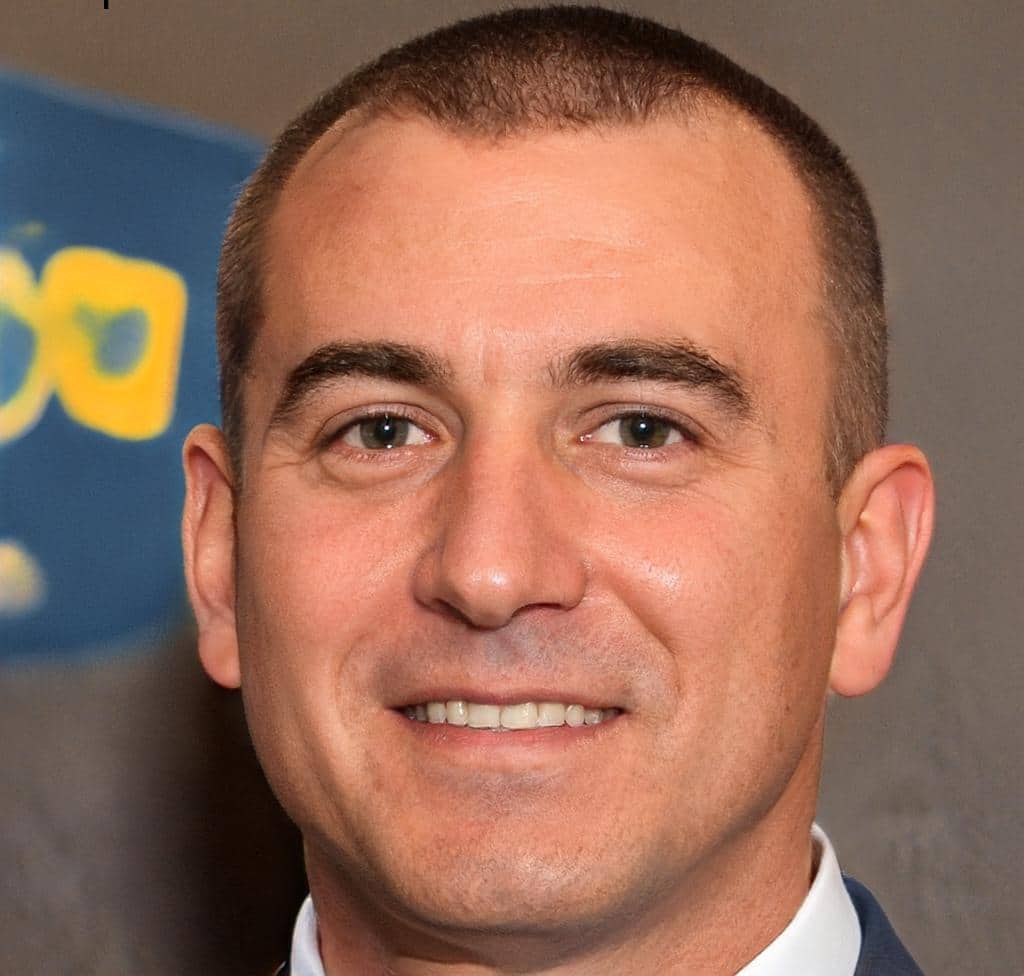
Lance Morgan, CEO of Warhorse Casino in Lincoln, has emerged as the most visible spokesperson for the effort. Morgan told reporters that internal polling commissioned by the campaign shows approximately 70% of Nebraska residents support legalizing mobile sports betting, a figure he argues makes the ballot measure viable [1]. Warhorse Casino opened in Lincoln in 2022 and is one of several tribal and commercial gaming properties that have expanded in Nebraska since voters approved casino gambling in 2020.
Morgan’s involvement signals that the state’s established casino industry views mobile betting as the logical next step after years of brick-and-mortar growth. Nebraska currently allows in-person sports wagering at licensed casinos, but mobile betting, which accounts for the majority of sports betting handle in states where it is legal, remains off the table. That gap is the core commercial motivation behind the petition drive.
Other casino operators are participating in the coalition, though Warhorse has taken the most prominent public role. The campaign’s ability to unify competing gaming interests under a single ballot measure will be a key organizational test over the coming months.
$3 Million Monthly Tax Projection Anchors the Revenue Argument
What the Numbers Mean for Nebraska’s Budget
Supporters project that legal mobile sports betting would generate approximately $3 million per month in state tax revenue, or roughly $36 million annually [1]. That figure is based on handle projections derived from Nebraska’s population size and betting behavior data from comparable states. For context, Nebraska’s total state budget for fiscal year 2024-2025 sits at approximately $10.8 billion, meaning mobile betting revenue would represent a modest but politically useful addition to state coffers.
The $36 million annual estimate assumes a competitive tax rate and a mature market. States that launched mobile betting in the last three years have seen handle ramp up over 12 to 24 months before stabilizing, so first-year revenue would likely fall below the long-run projection. Organizers are nonetheless leading with the monthly figure because it gives voters a concrete, recurring benefit to weigh against any concerns about expanded gambling.
Tax revenue arguments have proven decisive in several state ballot campaigns. Colorado voters approved sports betting in 2019 partly on the promise of funding water conservation projects. Nebraska’s campaign appears to be following a similar playbook, though specific revenue allocation details have not yet been announced publicly.
The March Madness 2026 Timeline and Why It Matters
If petitions are submitted by July 2025 and the measure passes in November 2026, regulators would need to move quickly to license operators and approve mobile platforms. The campaign has pointed to March Madness 2026 as a realistic launch window, which would place the NCAA Tournament, typically held in March, as the first major betting event on a live Nebraska mobile platform [1].
March Madness is consistently the highest-traffic period for sports betting apps in the United States. The American Gaming Association reported that an estimated 68 million Americans planned to bet on the 2024 NCAA Tournament, wagering a projected $3.1 billion in total. Hitting that window would maximize early handle and tax receipts, giving the program a strong first-year headline number.
The timeline is tight. Regulatory buildout after a November 2026 vote would give the Nebraska Racing and Gaming Commission roughly four months to finalize rules, approve operators, and certify platforms before the 2027 tournament. Missing that window would push the first major event to football season 2027, delaying the revenue story by nearly a year.
Nebraska Compared: Where Mobile Betting Stands Across the U.S. in 2025
| State | Mobile Betting Legal? | Annual Tax Revenue (Est.) |
|---|---|---|
| New Jersey | Yes (since 2018) | ~$170 million |
| Colorado | Yes (since 2020) | ~$50 million |
| Iowa | Yes (since 2019) | ~$30 million |
| Kansas | Yes (since 2022) | ~$15 million |
| Nebraska | In-person only (2024) | Projected ~$36 million (mobile) |
| Wyoming | Yes (since 2021) | ~$5 million |
Nebraska sits in an increasingly awkward position among its neighbors. Iowa legalized mobile sports betting in 2019 and has processed billions in annual handle since then, with a significant share of that activity coming from Nebraska residents crossing the border or using Iowa-registered accounts [2]. Kansas launched mobile betting in September 2022. Colorado has operated a mature mobile market since 2020. Nebraska is the only state in the immediate region that still restricts wagering to physical casino floors.
The border-bleed problem is a standard argument in these campaigns and it carries real weight. When residents can legally bet on their phones in Iowa but not Nebraska, the state loses both the tax revenue and the regulatory oversight that comes with a licensed domestic market. Organizers are expected to lean heavily on this comparison during the signature-gathering phase.
Nationally, 38 states plus Washington D.C. have legalized sports betting in some form as of early 2025, according to the American Gaming Association [2]. Of those, the vast majority permit mobile wagering. Nebraska’s in-person-only model places it among a shrinking minority of states that have partially opened the market without allowing the mobile component that drives the bulk of revenue.
The pattern across states is consistent: mobile betting typically accounts for 80% to 90% of total sports betting handle in markets where both options are available. Nebraska’s current in-person-only framework is therefore capturing a small fraction of the potential market, which is precisely the commercial gap the petition drive aims to close [2].
What a Regulated Nebraska Market Means for Privacy-Conscious Bettors
Any legal mobile sports betting framework in Nebraska would operate under state licensing rules that require identity verification, age checks, and geolocation compliance. That means bettors using licensed Nebraska apps would need to submit personal identification documents and link payment methods tied to their real names, the standard KYC process that regulated sportsbooks apply in every U.S. state.
For bettors who prioritize financial privacy, this is a relevant consideration. Regulated state markets offer consumer protections and dispute resolution, but they come with mandatory data collection that no-KYC platforms do not require. The Nebraska ballot measure, if it passes, would expand legal options for residents but would not change the fundamental data-sharing requirements that come with licensed U.S. sportsbooks.
Key Takeaways
- Nebraska casino operators are targeting 300,000 voter signatures to place mobile sports betting on the November 2026 ballot, with a July 2025 submission deadline.
- The signature threshold is set at 5% of voters from the most recent general election, a standard Nebraska initiative requirement.
- Warhorse Casino CEO Lance Morgan cites internal polling showing approximately 70% public support for the measure.
- Supporters project the measure would generate roughly $3 million per month, or $36 million annually, in state tax revenue.
- If the measure passes in November 2026, organizers believe mobile betting could launch in time for March Madness 2026, one of the highest-handle events in U.S. sports betting.
- Nebraska neighbors Iowa, Kansas, Colorado, and Wyoming all permit mobile sports betting, creating a border-competition dynamic that operators are using to build the case for legalization.
- 38 states plus Washington D.C. have legalized sports betting in some form as of early 2025, with mobile access available in the majority of those markets.
Frequently Asked Questions
When could mobile sports betting launch in Nebraska?
If the petition qualifies for the November 2026 ballot and voters approve the measure, mobile sports betting could potentially launch by early 2027. Organizers have cited March Madness 2026 as a target, though that timeline depends on regulatory buildout happening within roughly four months of a November 2026 vote [1].
How many signatures does the Nebraska sports betting petition need?
Organizers are aiming for 300,000 signatures, which exceeds the legal minimum of 5% of voters from the most recent general election. The higher target provides a buffer against invalid or duplicate signatures during the verification process [1].
Who is leading the Nebraska mobile betting campaign?
Lance Morgan, CEO of Warhorse Casino in Lincoln, is the most prominent public figure behind the effort. Warhorse Casino opened in 2022 and is part of a broader coalition of Nebraska casino operators supporting the petition drive [1].
Is sports betting already legal in Nebraska?
Yes, in-person sports betting is legal at licensed Nebraska casinos as of 2024. However, mobile sports betting remains prohibited, which is what the 2026 ballot measure aims to change. Nebraska is one of a shrinking number of states that permits in-person wagering but not mobile platforms [2].
The Bottom Line
Nebraska’s mobile sports betting petition drive is a well-organized, commercially motivated campaign with a realistic path to the 2026 ballot. The 300,000-signature target is ambitious but achievable given the 70% approval figure Lance Morgan cites, and the revenue argument of $36 million annually gives voters a tangible reason to say yes. The July 2025 deadline creates urgency, and the March Madness framing gives the campaign a compelling launch narrative if the measure succeeds.
The broader context makes Nebraska’s current position harder to defend with each passing year. Iowa, Kansas, Colorado, and Wyoming all operate mobile markets. The American Gaming Association estimates that 38 states have some form of legal sports betting, with mobile access standard in most [2]. Every month Nebraska remains in-person only, tax dollars and handle flow to neighboring states or offshore platforms. The petition drive is an attempt to close that gap through direct democracy rather than waiting for a legislature that has historically moved slowly on gambling expansion.
The vote is still more than 18 months away, and signature campaigns can stall for any number of reasons. But the combination of strong polling, a unified casino industry, and a clear revenue story gives this effort more momentum than most state-level gambling initiatives at this stage. Nebraska bettors and tax advocates will be watching the signature count closely through spring 2025.
Follow the Latest Nebraska Sports Betting Developments
Read Full Coverage at GamblingNews
18+ | Play Responsibly | T&Cs Apply
Sources
- GamblingNews.com – Primary reporting on Nebraska mobile sports betting petition drive, Lance Morgan quotes, signature targets, revenue projections, and March Madness timeline.
- American Gaming Association via GamblingNews.com – Data on U.S. states with legal sports betting, mobile market share statistics, and NCAA Tournament betting handle projections.